The Rise of Edge Computing and IoT in Enterprise
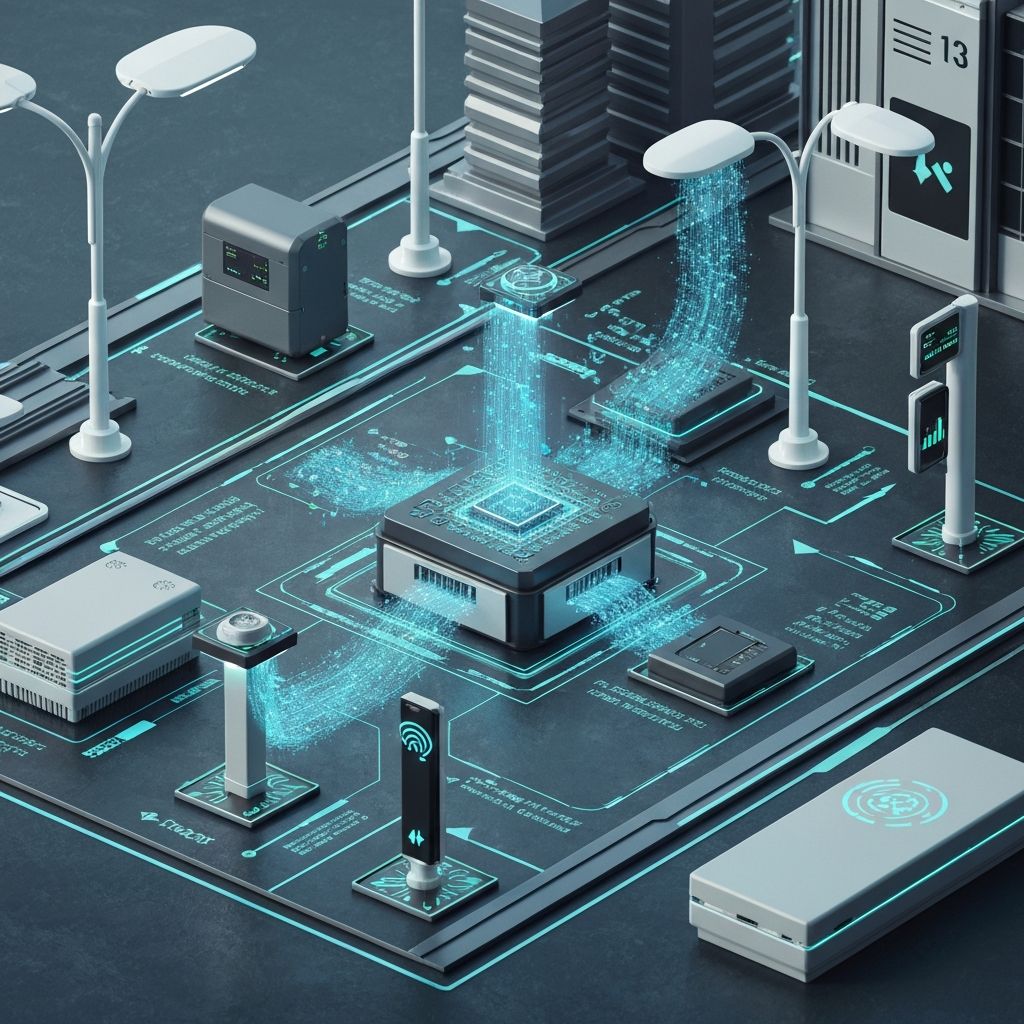
Edge computing is revolutionizing how enterprises process data. Instead of sending all data to centralized cloud servers, edge computing processes data closer to where it's generated—at the network edge. Combined with IoT, this creates powerful new capabilities.
What is Edge Computing?
Edge computing brings computation and data storage closer to data sources. This reduces latency dramatically, decreases bandwidth costs, improves privacy and security, enables offline operation, and processes data in real-time.
The IoT Explosion
By 2026, there are over 75 billion IoT devices worldwide. These devices generate massive amounts of data—manufacturing sensors, smart building systems, connected vehicles, retail analytics, and healthcare monitors all contribute to this data deluge.
Why Edge Computing Matters
Cloud computing alone can't handle the volume, velocity, and variety of IoT data. Edge computing solves critical challenges including millisecond response times for critical applications, bandwidth constraints, privacy and sovereignty requirements, and operational continuity during network outages.
Real-World Applications
- **Manufacturing**: Predictive maintenance, quality control, robot coordination
- **Retail**: Real-time inventory management, customer analytics, autonomous checkout
- **Healthcare**: Remote patient monitoring, medical imaging analysis, emergency response
- **Smart Cities**: Traffic management, energy optimization, public safety
- **Autonomous Vehicles**: Real-time decision making, sensor fusion, safety systems
Architecture Patterns
Modern edge architectures use IoT devices collecting data, edge gateways for initial processing, fog nodes for aggregation and analysis, and cloud for long-term storage and advanced analytics. This multi-tier approach optimizes for latency, cost, and capability.
Security Considerations
Edge computing expands the attack surface. Implement device authentication and authorization, encrypted communication, secure boot and firmware updates, physical security measures, and continuous monitoring for anomalies.
Edge AI and Machine Learning
Running ML models at the edge enables real-time inference without cloud dependency, lower latency for critical decisions, privacy-preserving analytics, and reduced data transfer costs. TensorFlow Lite and ONNX Runtime make edge AI practical.
Challenges and Solutions
Edge computing introduces management complexity with distributed infrastructure, device heterogeneity, and intermittent connectivity. Solutions include centralized management platforms, standardized protocols, and robust synchronization mechanisms.
5G and Edge Computing
5G networks and edge computing are synergistic. 5G provides ultra-low latency, massive device connectivity, and high bandwidth, while edge computing provides the processing power. Together, they enable entirely new application categories.
The Future of Edge
Expect continued growth in edge computing with more intelligent devices, distributed AI training, serverless edge functions, and seamless cloud-edge integration. Edge computing will become as ubiquitous as cloud computing.
Velorb's Edge Solutions
We design and implement edge computing solutions tailored to your industry. Our services include IoT strategy and architecture, edge infrastructure deployment, security implementation, and ongoing management and optimization.
Ready to Transform Your Business?
Get expert consultation on how to implement these technologies in your organization. Our team is ready to help you succeed.